Beyond the Remix: Why Artists Are Now Building Cathedrals Out of Someone Else's Blueprint
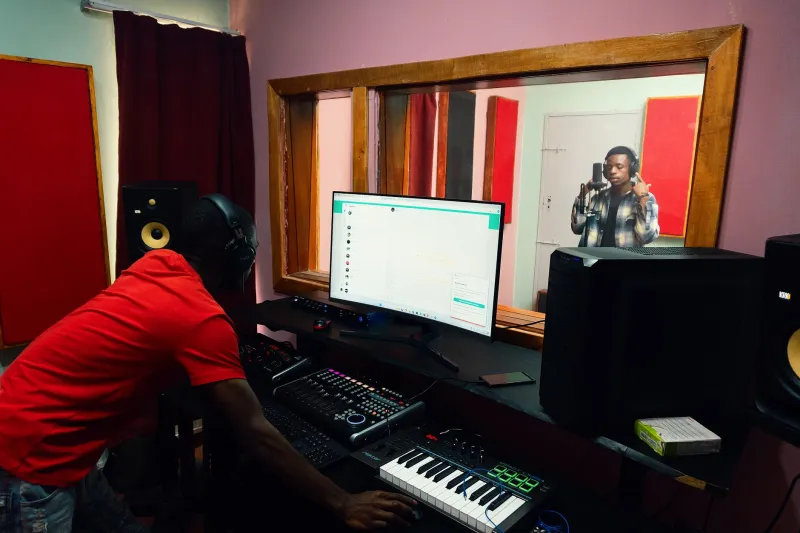
For decades, the remix had a pretty simple job description. Take a song people already love, hand it to a DJ or producer, and let them punch up the bass, swap in a four-on-the-floor kick, and ship it back out in time for festival season. It worked. It still works, technically. But something has shifted in the way artists are thinking about building on existing music—and the results are genuinely more interesting than anything a standard club edit could deliver.
We're in the middle of what some producers are quietly calling the "reimagining" era. It's not a rebrand for marketing purposes. It's a real philosophical difference in how artists approach someone else's work, and it's showing up across genres, streaming platforms, and even in the language artists use when they talk about the process.
What's Actually Different Here
The classic remix was transactional at its core. Label sends stems, producer adds their sauce, everyone gets a cut. The original artist often had minimal involvement beyond signing off on the paperwork. The goal was exposure and danceability, not necessarily dialogue between artists.
What's happening now looks different. Artists are requesting full creative conversations before they touch a track. Some are going back to analog recordings of songs that predate their own careers. Others are rewriting arrangements entirely—flipping a hip-hop record into a chamber piece, or taking a country ballad and rebuilding it as ambient electronic music—while keeping the emotional core of the original intact.
The distinction matters because the intention matters. A reimagining asks: what was this song really trying to say, and how can I say that differently? A traditional remix mostly asks: how do I make this hit harder at 11 PM?
Neither answer is wrong. But one of them is a lot more interesting to listen to in 2025.
The Streaming Audience Is Hungrier Than Labels Thought
Part of what's driving this shift is the audience itself. Streaming listeners—especially younger ones who grew up with algorithm-fed playlists—have developed surprisingly sophisticated ears. They can clock a lazy flip. They notice when a producer just added a trap hi-hat pattern to something and called it a reimagining. And they talk about it, loudly, in comment sections and on Reddit threads that labels probably wish they weren't reading.
At the same time, there's a real appetite for novelty that doesn't erase familiarity. Listeners want to hear something they recognize from a completely new angle. That tension—between comfort and surprise—is exactly the space where a thoughtful reimagining lives.
Spotify's editorial playlists have started reflecting this. "Acoustic Versions" and "Late Night" playlists increasingly feature stripped-down or radically reinterpreted versions of popular songs rather than straight remixes. Apple Music has been curating "Artist Takes" content that highlights these deeper reinterpretations. The platform behavior is following the listener behavior, which is following the artist behavior. That's a meaningful chain.
Artists Who Are Actually Doing This Right
You can hear this philosophy in how certain artists have approached covers and collaborations over the last few years. When a singer takes a hip-hop record and rebuilds it as a slow-burn soul piece, keeping the original's cadence but stripping every production element down to voice and piano, that's not a cover and it's not a remix. It's a conversation across genres.
Producers working in lo-fi and neo-soul spaces have been particularly thoughtful here. Several have spoken publicly about their process of studying the emotional architecture of a song before touching it—understanding why a specific chord change hits the way it does before deciding whether to keep it, subvert it, or replace it entirely.
The hip-hop world has its own version of this conversation happening around interpolation. There's a growing distinction between producers who lift a sample because it sounds cool and those who lift it because the original recording carries cultural weight they want to honor and extend. That difference shows up in how credits are handled, how original artists are brought into the process, and how the finished product is framed to listeners.
Respecting the Original Without Being Precious About It
Here's where it gets interesting: honoring source material doesn't mean being timid with it. Some of the most compelling reimaginings are the ones that sound almost nothing like the original on the surface but carry its DNA in every structural decision.
That requires a kind of confidence that not every producer has yet. It's easier to stay close to the original—change the key, slow it down, add strings—than to genuinely interrogate what makes it work and then rebuild from scratch. The artists doing the latter are taking a real creative risk. If it doesn't land, listeners will say they ruined the song. If it does land, they've added something permanent to the original's legacy.
That risk is part of what makes the reimagining era feel more like art and less like product. There's actual creative stakes involved.
What This Means for How We Talk About Originality
The broader cultural conversation around originality in music has been messy for a while. Sampling lawsuits, AI-generated tracks, and the constant debate over what counts as influence versus theft have made artists understandably defensive about how they build on existing work.
The reimagining approach offers a different frame. Instead of treating influence as something to hide or minimize, it treats it as something to announce and celebrate. When an artist says openly, "this song changed my life and I wanted to respond to it," that's a different posture than quietly hoping nobody notices where the hook came from.
It's also a more honest reflection of how music actually works. Nobody creates in a vacuum. Every song is in conversation with every song that came before it. The reimagining era is just making that conversation audible—and giving listeners a seat at the table.
At KSou House, we've always believed that every genre and every artist deserves space on the same stage. The reimagining era is proof that the stage gets bigger, not more crowded, when artists treat each other's work with genuine respect. The remix isn't dead. But what's replacing it is a lot more alive.