Trust the Human: Why Music Fans Are Ditching the Algorithm and Finding Their People

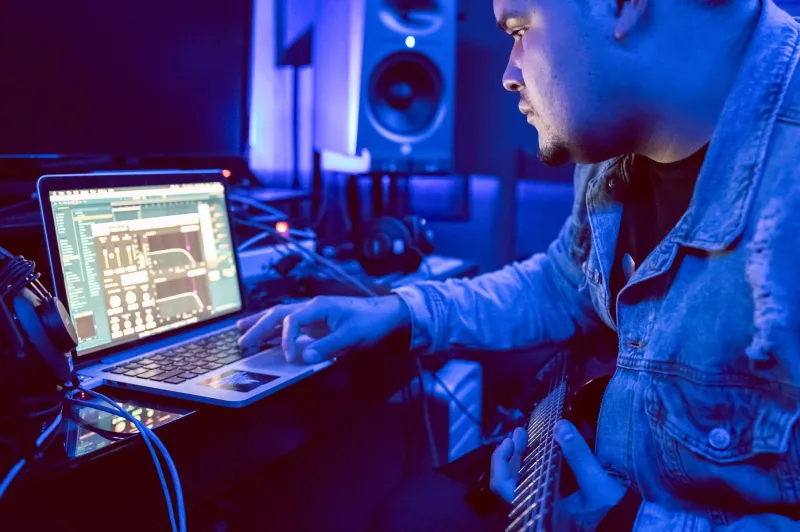
Photo by Photo by Rendy Novantino on Unsplash on Unsplash
There's a moment a lot of music listeners have experienced recently — you're scrolling through your algorithmically generated playlist, and everything sounds vaguely familiar. Not familiar like a song you love, but familiar like background noise at a coffee shop you've been to a hundred times. Technically fine. Completely forgettable.
That feeling has a name now. Personalization fatigue. And it's quietly pushing a significant chunk of streaming audiences away from Spotify's Discover Weekly, Apple Music's suggestions, and YouTube's endless autoplay queue — and toward something a lot more old-school: other people.
The Algorithm Promised a Lot
When streaming platforms rolled out their recommendation engines, the pitch was irresistible. The more you listened, the smarter the system got. It would learn your moods, your patterns, your guilty pleasures. It would surface artists you'd never find on your own. For millions of casual listeners, it delivered on that promise well enough.
But somewhere along the way, the algorithm stopped feeling like discovery and started feeling like a mirror. The same tempo ranges. The same sonic textures. The same mid-level artists cycling through your queue because they hit certain engagement metrics, not because they made something genuinely moving.
Spotify's algorithm is optimized for retention, not revelation. There's a difference. Retention keeps you on the app. Revelation changes how you feel about music. And increasingly, listeners — especially younger ones — are noticing that gap.
Discord Is the New Radio
Enter the niche communities. On Discord, servers dedicated to specific micro-genres — think '90s drum and bass, modern Appalachian folk, lo-fi jazz from Southeast Asia — have exploded in membership over the past two years. These aren't massive spaces. Some have a few hundred members. Others cap out around a few thousand. But the engagement is intense in a way that no streaming platform can replicate.
People are posting tracks with actual context. "This Detroit producer just dropped this on Bandcamp and it sounds like if J Dilla produced for Sade" hits different than a playlist tile with no explanation. You're not just getting music — you're getting a human being's excitement about music. That emotional transmission matters.
Reddit communities like r/ifyoulikeblank and r/listentothis have been doing a version of this for years, but they've seen renewed energy as listeners burned out on algorithmic feeds start actively seeking recommendation spaces where taste is argued, defended, and celebrated. The comment threads on these subreddits often read like genuine conversations between people who care deeply about sound — something no machine has managed to replicate convincingly.
The Independent Curator's Comeback
Beyond social platforms, independent curators are reclaiming ground they lost when streaming services centralized discovery. Newsletters like the ones proliferating on Substack, curated YouTube channels with real editorial voices, and even old-fashioned blogs are finding new audiences among listeners who want context alongside content.
These curators aren't just sharing links. They're building relationships. They respond to replies. They explain why a song matters, what it's in conversation with, what it says about a moment in culture. That kind of framing is something an algorithm is structurally incapable of providing — at least not in any way that feels authentic.
For emerging artists, this shift is genuinely significant. Getting placed on an algorithmic playlist still matters for raw numbers. But getting co-signed by a trusted human voice in a tight community can translate into a fanbase that actually shows up — to streams, to merch drops, to live shows. The conversion rate from authentic human recommendation tends to be higher because the listener arrives with context and enthusiasm, not just passive exposure.
What Streaming Platforms Are Getting Wrong
To be fair, Spotify and Apple Music aren't standing still. Spotify has invested in features like Blend, which merges two users' listening habits, and has experimented with podcast-style DJ features that inject a human-ish voice into the recommendation experience. Apple Music has long leaned into its human-curated editorial playlists as a differentiator.
But these efforts often feel like the platforms bolting a human aesthetic onto a fundamentally algorithmic structure. Listeners can tell. The DJ feature on Spotify might use language that sounds conversational, but it's still optimizing for the same retention metrics underneath. Authentic curation means someone made a choice that wasn't driven by data — and that's a hard thing to fake.
The deeper issue is that the major platforms have a financial incentive to keep listeners inside their walled gardens, which means they're not especially motivated to send people to a Discord server or a Substack newsletter. The communities pulling listeners away from algorithmic discovery exist largely outside the streaming economy, which makes them harder to co-opt.
A Cultural Shift Worth Watching
What's happening here is more than just a preference for one discovery method over another. It's a recalibration of trust. For a period, we handed over our taste formation to machines and told ourselves it was efficient. Now a growing number of listeners are deciding that efficiency isn't actually what they want from music.
Music has always been social. It's always been about someone grabbing your arm and saying, "You have to hear this." The algorithm tried to simulate that feeling at scale, and it worked well enough for long enough. But the simulation is cracking, and what's filling the gap is something genuinely exciting — communities of people who love music building the kind of spaces where discovery feels like an event again.
At KSou House, we've always believed that every genre and every artist deserves a stage. The humans rebuilding music discovery from the ground up seem to believe the same thing. And honestly? That gives us a lot of hope for what comes next.