The Session Tape Is the Drop Now: How Studio Content Took Over the Music Rollout
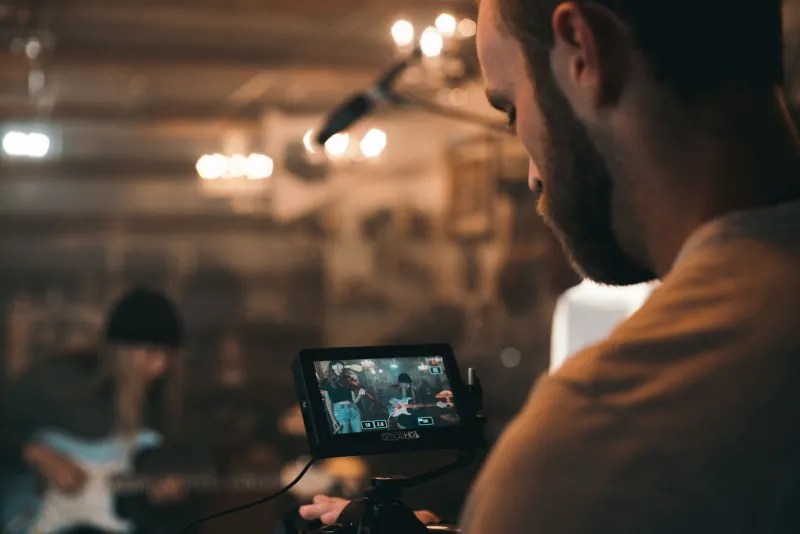
There was a time when the studio was sacred ground. What happened in the booth stayed in the booth. Labels carefully managed every piece of information that leaked out about an upcoming project, and artists played along—mysterious, unavailable, building anticipation through absence. The big reveal was the point.
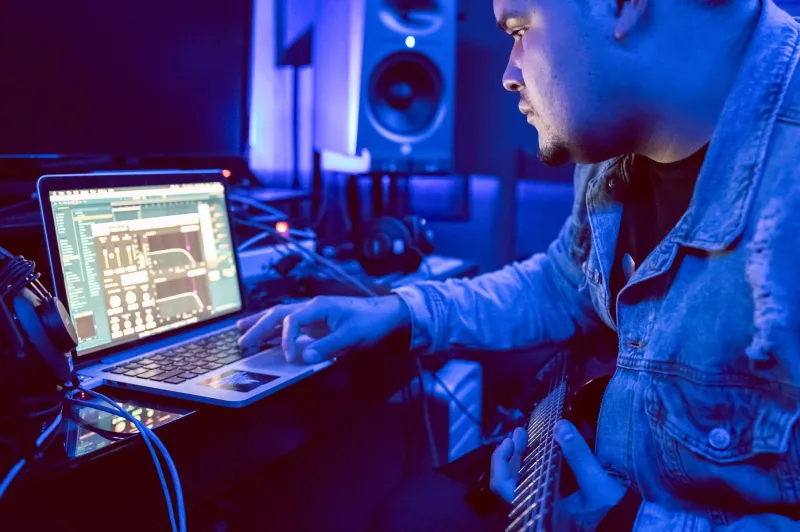
That era is not completely gone, but it's sharing space with something that looks almost like its opposite. Today, some of the most-watched music content on social media isn't a music video or a live performance. It's a producer nodding along to a beat they just made at 2 AM. It's a singer posting a cracked, unpolished vocal run they did on the first take. It's an artist explaining why they scrapped three verses and started over. The studio has become a broadcast studio, and the audience is completely here for it.
How We Got Here
The shift didn't happen overnight, and it wasn't driven by any single platform decision or industry trend. It grew out of a combination of factors that converged in a way nobody really planned.
First, the pandemic forced artists off the road and into home studios, where the line between personal space and creative space blurred completely. With no tours to film and no red carpets to document, behind-the-scenes studio content became one of the only authentic windows fans had into what their favorite artists were actually doing. Audiences responded to it in a way that surprised almost everyone.
Second, short-form video changed the economics of attention. A 30-second clip of a beat being built in real time could rack up millions of views with zero marketing budget. For independent artists especially, that kind of organic reach was impossible to ignore. Why spend money on a polished rollout campaign when a phone propped against a laptop screen could do the same job?
Third—and this one matters—listeners got comfortable with rawness in a way previous generations hadn't. The aesthetic of unfinished, lo-fi, and process-oriented content stopped feeling like a lesser version of the real thing and started feeling like its own kind of realness.
What Artists Are Actually Posting
The range of studio content circulating on Instagram Reels, YouTube Shorts, and TikTok right now is genuinely wide. On one end, you've got the casual, almost accidental clip—an artist humming a melody into their phone notes app, a producer scrolling through samples with their headphones half-on. These feel intimate in a way that's hard to manufacture, and audiences can usually tell the difference between something genuinely spontaneous and something staged to look spontaneous.
On the other end, you've got highly produced "making of" content that functions more like a short documentary. Full production breakdowns where producers walk through every layer of a track. Extended sessions where an artist records ten different vocal approaches to the same line and lets viewers vote on which one makes the cut. Process videos that are edited with the same care as a music video but carry the aesthetic language of a vlog.
Both approaches are working, just for slightly different reasons. The casual content builds parasocial closeness. The produced content builds credibility and demonstrates craft. Smart artists are doing both, and the most successful ones understand which format serves which goal.
The Fan Loyalty Math
Here's what the numbers keep showing: fans who engage with studio content before a release are significantly more invested in the finished product when it drops. This isn't surprising when you think about it. If you watched someone struggle through a bridge for three weeks, celebrate when they finally cracked it, and then post the finished track—you're not just a listener anymore. You were there. You have a stake in it.
That emotional investment translates into real behavior. More saves. More shares. More playlist adds. More concert ticket purchases when the tour gets announced. The studio content isn't just promotional material—it's relationship-building infrastructure.
Some artists have started leaning into this explicitly. They'll post a snippet of a song in progress and ask followers which direction to take it. They'll share two different chorus options and run a poll. The audience becomes a collaborator, at least symbolically, and that sense of participation is incredibly sticky.
When the Process Becomes the Product
This is where things get philosophically interesting. There's a growing segment of listeners who genuinely prefer the session tape to the finished song. The rough vocal with the room noise and the off-tempo clap has an energy that a polished mix sometimes smooths out. The beat with the wrong sample still in it sounds more alive than the cleared version that made it onto the album.
Artists are noticing this. Some are releasing "raw" versions of tracks alongside the official releases. Others are building their entire aesthetic around the unfinished sound, leaning into the demo quality as a deliberate choice rather than a budget limitation. The line between content and music is genuinely blurring.
This creates a real question for the industry: what counts as an official release in 2025? If a song has been heard by three million people in its demo form before it officially drops, is the release a reveal or a formality? Labels haven't fully figured out how to answer that, and the artists who are moving fastest are the ones who stopped waiting for the answer.
The Trust Economy
Underlying all of this is something that goes beyond content strategy. When artists share their process openly, they're making a bet that transparency builds more loyalty than mystique. For most of the streaming era, the conventional wisdom ran the other way—protect the magic, control the narrative, make the audience come to you.
What studio content culture is proving is that the audience doesn't want to be managed. They want to be included. They want to see the mess and the doubt and the moment when something clicks. They want to know the person behind the music is actually a person.
At KSou House, we talk a lot about what it means to celebrate every artist on the same stage. Part of that is recognizing that the stage has expanded. It's not just the album and the tour anymore. It's the session. It's the rough cut. It's the voice memo someone posted at midnight because they couldn't sleep and had a melody stuck in their head.
The studio content era didn't kill the album rollout. It just made the whole journey part of the show.